October 2, 2026
Periodontal Treatment Ventura: Common Procedures Explained
By @juliusvban445

Healthy gums do a quiet, essential job. They anchor the teeth, protect the supporting bone, and seal out bacteria every time you chew, speak, or brush. When they become inflamed or infected, the damage often develops gradually enough that people do not realize how much support has been lost until they notice bleeding, sensitivity, loose teeth, or changes in their bite. By that point, treatment is no longer just about freshening breath or calming sore tissue. It is about preserving the foundation of the mouth.
Patients searching for Periodontal Treatment Ventura are often trying to answer a basic question: what actually happens during gum treatment, and what do these procedures do? That question deserves a clear, practical explanation. Periodontal care covers a range of therapies, from early nonsurgical treatment to advanced surgical reconstruction. Some visits are straightforward and conservative. Others involve careful planning, local anesthesia, healing time, and follow-up maintenance over months or years.
The right procedure depends on how far the disease has progressed, how deep the gum pockets are, whether bone loss is present, and how the patient responds to home care and maintenance. A person with mild gingivitis will not need the same treatment as someone with advanced periodontitis and loose molars. That distinction matters, because periodontal disease is not a single event. It is a chronic inflammatory condition that behaves differently from one mouth to another.
What periodontal disease looks like in practice
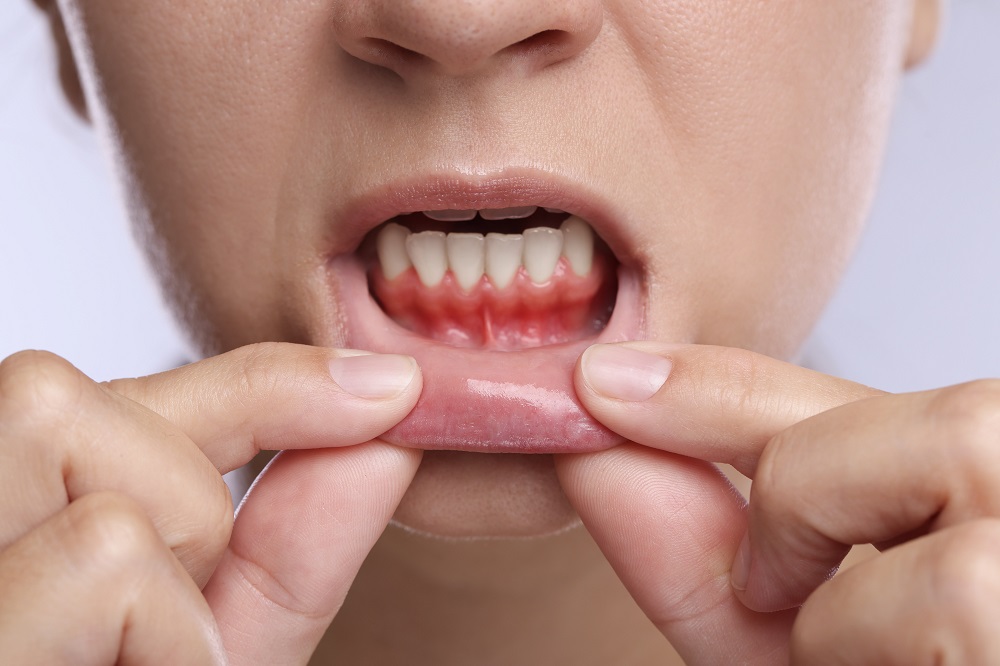
In its earliest stage, gum disease usually appears as gingivitis. The gums look puffy, bleed when brushing or flossing, and may feel tender along the margins of the teeth. At this point, the bone supporting the teeth has not yet been destroyed. That is the good news. Gingivitis is often reversible with professional cleaning and improved plaque control at home.
Periodontitis is different. Here, the inflammation extends deeper. The attachment between the tooth and the surrounding tissue breaks down, creating periodontal pockets where bacteria thrive below the gumline. Over time, the body’s inflammatory response, combined with bacterial toxins, leads to bone loss. Teeth may appear longer because the gums have receded. Food starts to trap in places where it never used to. Some patients notice shifting, spacing, or a subtle feeling that their bite is off.
One of the more striking things about periodontal disease is how often it advances with little pain. A patient may tell the hygienist, “Nothing really hurts, I just see a little blood when I floss.” Meanwhile, the measurements around the teeth show pockets of 5, 6, or 7 millimeters and radiographs reveal bone loss. That gap between symptoms and actual damage is why regular periodontal evaluation matters so much.
How a periodontist decides what treatment is necessary
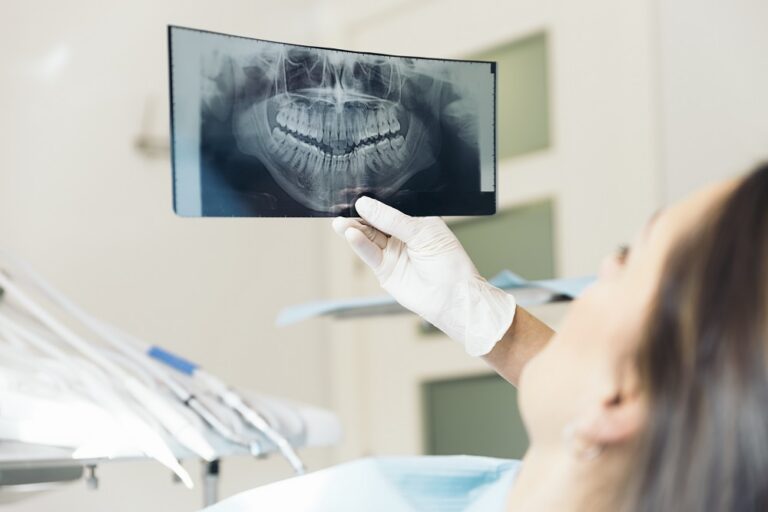
The treatment plan starts with diagnosis, not assumptions. A proper periodontal exam generally includes measuring the pocket depths around each tooth, checking for bleeding, evaluating gum recession, reviewing mobility, and looking at X-rays to assess bone support. The dentist or periodontist also considers plaque levels, tartar accumulation, old restorations that trap bacteria, grinding habits, tobacco use, diabetes, dry mouth, and medications that influence healing.
A few findings tend to shape the plan quickly:
- Bleeding on probing and swollen tissue suggest active inflammation.
- Deep pockets often mean bacteria have colonized areas that routine brushing cannot reach.
- Bone loss on X-rays indicates that the disease is affecting structural support.
- Tooth mobility raises concern about attachment loss and bite stress.
- Recession may point to either periodontal disease, brushing trauma, thin tissue, or a combination.
Those findings help separate a routine cleaning case from a periodontal one. This is an important distinction that patients sometimes miss. A standard prophylaxis is designed for mouths without active periodontal disease. It is not the same as treatment for infected pockets below the gumline.
Scaling and root planing, the most common first step
When people ask about common Periodontal Treatment Ventura options, scaling and root planing is usually at the top of the list. Patients often hear it described as a “deep cleaning,” which is convenient shorthand but not a complete explanation.
Scaling means removing plaque, calculus, and bacterial deposits from the tooth surfaces above and below the gumline. Root planing means smoothing the root surfaces so the tissue has a cleaner surface against which it can heal. The goal is to reduce the bacterial load, shrink inflammation, and lower pocket depths enough that the area becomes maintainable.
This treatment is usually done under local anesthesia, often by quadrant or half of the mouth at a time. For a patient with moderate disease, that may mean two appointments. For a more limited area, it might be completed in one. During the procedure, ultrasonic instruments and hand scalers are used to disrupt and remove hardened deposits from below the gums.
Patients often want to know whether scaling and root planing hurts. During the appointment, effective numbing usually keeps the procedure comfortable. Afterward, the most common complaints are tenderness, mild bleeding, temperature sensitivity, and a sense that the spaces between the teeth feel more open. That last change can be surprising, but it often reflects reduced swelling rather than damage from the treatment. Inflamed gums had been puffing up around tartar and bacteria. Once the inflammation drops, the true contours become more apparent.
Results vary. A patient with good home care, mild to moderate pocketing, and no smoking history may respond beautifully, with pockets shrinking by a few millimeters and tissue becoming firmer within weeks. Another patient with more aggressive inflammation, uncontrolled diabetes, or deep defects around molars may improve, but still need surgery in selected areas. The procedure is effective, but it is not magic. It creates an opportunity for healing that has to be supported by daily plaque control and follow-up care.
Antibiotics and antimicrobial therapy, where they fit and where they do not
Some periodontal cases benefit from locally delivered antimicrobials or systemic antibiotics, but these are adjuncts, not substitutes for mechanical cleaning. This point is worth stressing because many patients hope for a prescription that can avoid treatment. Unfortunately, medication alone does not reliably remove the biofilm and calculus attached to roots.
Locally delivered antibiotics, placed directly into periodontal pockets, may be recommended for isolated deeper sites that persist after initial therapy. Systemic antibiotics are used more selectively, often in cases with aggressive patterns of disease, acute periodontal abscesses, or specific clinical indications. The judgment here matters. Overprescribing antibiotics does not solve the underlying biofilm problem and raises other concerns, including resistance and gastrointestinal side effects.
A careful periodontist usually looks first at debridement quality, patient hygiene, smoking, and systemic health before reaching for medication. In practice, the basics often determine outcomes more than any prescription.
Periodontal maintenance, the part many patients underestimate
One of the most common misunderstandings in gum care is the idea that treatment is a one-time fix. Periodontal disease behaves more like a chronic condition that requires monitoring and maintenance. After scaling and root planing, many patients are placed on a periodontal maintenance schedule, often every three or four months rather than every six.
That interval is not arbitrary. Bacterial repopulation occurs over time, and patients with a history of periodontitis are more vulnerable to recurrence. A maintenance visit usually includes pocket measurements in selected areas, assessment of bleeding and inflammation, removal of plaque and calculus above and below the gumline, and reinforcement of home care techniques tailored to the patient’s anatomy.
This is where real-world results either hold or slip. Patients who keep maintenance visits tend to stabilize more predictably. Patients who disappear for a year or two often return with relapsed pocketing, more bone loss, or a cracked tooth compromised by bite stress and reduced support. A maintenance program can feel unremarkable in the moment, but over five or ten years it often makes the difference between keeping teeth and losing them.
Pocket reduction surgery, when deep areas do not respond enough
If deep pockets remain after nonsurgical treatment, a periodontist may recommend pocket reduction surgery, https://israelmrdj973.unionquill.com/posts/best-practices-after-periodontal-treatment-in-ventura also called flap surgery. This is common when bacterial deposits and irregular bone contours are too difficult to manage with instruments alone while the gums remain in place.
In this procedure, the gum tissue is gently reflected to allow direct access to the root surfaces and underlying bone. The roots are thoroughly cleaned, and areas of damaged tissue are addressed. In some cases, the bone architecture is reshaped to reduce craters or ledges that favor bacterial retention. The gum tissue is then repositioned and sutured to create shallower, more maintainable contours.
For the patient, the biggest advantage is access. Areas that were previously hidden deep inside the pocket become visible and treatable. The trade-off is that surgery involves healing time, temporary swelling, and often some degree of gum recession afterward. Teeth may look longer, and root sensitivity can increase. That can sound discouraging, but the larger goal is disease control and long-term maintainability. A shallower, cleaner site that is easy to brush is usually preferable to a deep infected pocket that looks cosmetically fuller but continues to destroy support.
The best candidates are patients with specific persistent pockets, good general health, and a willingness to maintain the result. Surgery performed on someone who will not brush carefully or attend maintenance visits has a much lower chance of long-term success.
Bone grafting and regenerative procedures
Not all bone loss is shaped the same way. Some defects create an anatomy that is potentially favorable for regeneration, meaning the body may be able to rebuild some of the lost support if the area is cleaned and stabilized properly. In those situations, bone grafting or regenerative periodontal surgery may be considered.
These procedures often involve placing graft material into a bony defect after meticulous cleaning of the root surface. In selected cases, a membrane or biologic material may be used to encourage the right cells to repopulate the area. The aim is not merely to close the gums over the site, but to improve the architecture of support around the tooth.
Patient expectations need to be realistic here. Regeneration is technique-sensitive and defect-specific. It is not guaranteed, and not every site qualifies. A contained vertical defect around a tooth can be a better candidate than a broad, horizontal pattern of bone loss. Smoking, poor plaque control, uncontrolled diabetes, and heavy biting forces all reduce predictability.
Still, in the right case, regenerative therapy can be one of the most rewarding parts of periodontal care. Saving a tooth that would otherwise have a guarded prognosis is meaningful, especially when the alternative might involve extraction, grafting, and eventual implant treatment.
Gum grafting for recession and root exposure
Gum recession is not always caused by periodontal disease, but it often overlaps with it. Patients usually seek help because of root sensitivity, concern about appearance, or fear that the tooth is becoming vulnerable. In some cases, the recession is thin and localized around one tooth. In others, it affects multiple teeth, especially the lower front area or upper canines and premolars.
Gum grafting adds or thickens tissue in an area where the gum margin has receded. Depending on the case, the tissue may come from the patient’s palate or from a donor source designed for periodontal use. The graft is positioned to reinforce the site and, when possible, cover exposed root surface.
This procedure can improve comfort, strengthen thin tissue, and reduce further recession risk. Cosmetic improvement is often part of the discussion, but function matters just as much. A patient with a high toothbrush pressure habit and a thin gum phenotype can keep losing tissue even if periodontal disease itself is under control. Grafting gives that tooth a better chance.
Healing usually involves a few weeks of careful brushing modification, soft food choices, and follow-up checks. The first several days require patience. Patients who expect to “get back to normal” the same evening are usually surprised. The discomfort is manageable for most people, but the site should be treated gently while it integrates.
Crown lengthening, a periodontal procedure with restorative goals
Not every periodontal procedure is performed because of infection. Crown lengthening is a common example. It may be recommended when a tooth has broken near the gumline, has a cavity extending below the gum, or needs more exposed tooth structure for a crown or other restoration.
In crown lengthening, gum tissue, and sometimes a small amount of bone, is reshaped to expose more of the tooth. This creates proper access and room for the restorative margin while respecting the biologic width, the space the gum tissue needs to remain healthy around the tooth. If a crown edge is placed too close to the bone, chronic inflammation is likely to follow.
Patients often first hear about crown lengthening after a dentist says, “There is not enough tooth left above the gum to restore this properly.” It can sound like an added complication, but the procedure often makes the difference between a restoration that fails repeatedly and one that lasts.
Dental implants and periodontal health are closely linked
Many patients looking into Periodontal Treatment Ventura are also weighing the future of one or more teeth. Sometimes periodontal therapy saves the tooth. Sometimes the better decision is extraction followed by ridge preservation and later implant placement. These are not interchangeable choices, and a thoughtful clinician does not rush them.
A tooth with severe bone loss, class III mobility, recurrent abscessing, and poor strategic value may not be worth heroic treatment. On the other hand, a tooth with localized disease and a repairable defect may serve well for many years if treated properly. Experience matters in sorting those cases out.
It is also important to remember that periodontal disease does not disappear just because a tooth is replaced with an implant. Patients who have had periodontitis remain at increased risk for peri-implant disease if plaque control is poor. That is why implant planning and periodontal maintenance are often part of the same long-term conversation.
What recovery usually feels like
Healing varies by procedure, but there are patterns patients can generally expect. Nonsurgical therapy tends to cause mild to moderate soreness for a day or two, along with sensitivity to cold. Surgical procedures usually involve a longer arc of recovery, with swelling peaking in the first couple of days and tenderness gradually easing over one to two weeks.
The smoothest recoveries tend to happen when patients keep the post-op routine simple and consistent:
- Take prescribed or recommended medications exactly as directed.
- Use gentle oral hygiene methods in the treated area until cleared to resume normal brushing.
- Stick with softer foods for several days if chewing is uncomfortable.
- Avoid smoking, which sharply impairs healing.
- Return for follow-up visits even if the area seems to feel fine.
One practical point often overlooked is bite comfort. After periodontal treatment, especially if swelling changes or mobile teeth settle differently, the bite can feel altered. Sometimes that sensation resolves on its own. Sometimes a small adjustment is needed. Patients should mention it rather than assuming it is irrelevant.
Cost, complexity, and why treatment plans can differ
Periodontal care is not one-size-fits-all, and treatment plans can vary meaningfully between patients with the same broad diagnosis. One person may need only localized scaling and root planing plus maintenance. Another may need full-mouth therapy, surgery on select teeth, grafting, and coordination with restorative care. The difference comes down to anatomy, disease severity, goals, and risk factors.
Cost follows complexity. Nonsurgical therapy is generally less expensive than surgery, and localized treatment costs less than full-mouth care. But delaying needed treatment can make things far more expensive later. A patient who postpones therapy for two years may move from manageable periodontal treatment into extraction, bone grafting, temporary prosthetics, and implant discussions. From a cost and comfort standpoint, early intervention is almost always kinder.
Insurance can help in some cases, though benefits vary. The more useful question is not whether a code is covered, but whether the proposed treatment clearly matches the clinical findings. Good periodontal treatment planning should feel specific, not generic. Patients should understand which teeth or quadrants are involved, what the goals are, and how success will be measured.
Choosing the right provider and asking better questions
When evaluating providers for Periodontal Treatment Ventura, patients often focus first on convenience or price. Those matter, but they should not be the only filters. Periodontal diagnosis requires detail, and treatment quality depends heavily on skill, case selection, and follow-up.
A worthwhile consultation usually leaves the patient with a clear sense of the diagnosis, the stage of disease, the procedures being recommended, and the expected alternatives. If surgery is advised, the reasons should be concrete. If a tooth is considered questionable, that should be explained honestly rather than softened into vague optimism.
Patients are usually best served when they ask practical questions. How deep are the pockets? Is bone loss horizontal or vertical? Which areas are likely to improve with nonsurgical treatment alone? If surgery is needed, what problem is it solving? What happens if nothing is done for six or twelve months? Those questions cut through confusion quickly.
The strongest periodontal outcomes rarely come from a dramatic single procedure. They come from careful diagnosis, appropriate treatment, consistent maintenance, and a patient who understands that gums are living support tissue, not background scenery. Once that perspective clicks, the purpose behind each procedure becomes easier to see. Periodontal treatment is not simply about cleaning deeper. It is about preserving the structures that allow the teeth, and often the entire restorative plan around them, to remain stable for years.
Avra Dental
Address: 1708 S Victoria Ave B, Ventura, CA 93003
Phone number: (805) 941-1001
FAQ About Periodontal Treatment Ventura
Can a dentist get rid of periodontal disease?
A dentist or gum specialist (periodontist) cannot fully cure or reverse advanced periodontal disease (periodontitis), but they can successfully stop its progression and manage the infection.
Is periodontitis very serious?
Yes, periodontitis is a very serious, advanced form of gum disease that destroys the bone and tissues supporting your teeth.
How is stage 2 periodontal disease treated?
Stage 2 periodontal disease (early to moderate periodontitis) is primarily treated with non-surgical deep cleaning procedures like scaling and root planing to remove bacteria and tartar below the gumline.
❧