October 30, 2026
Periodontal Treatment for Patients With Braces or Aligners
By @juliusvban445
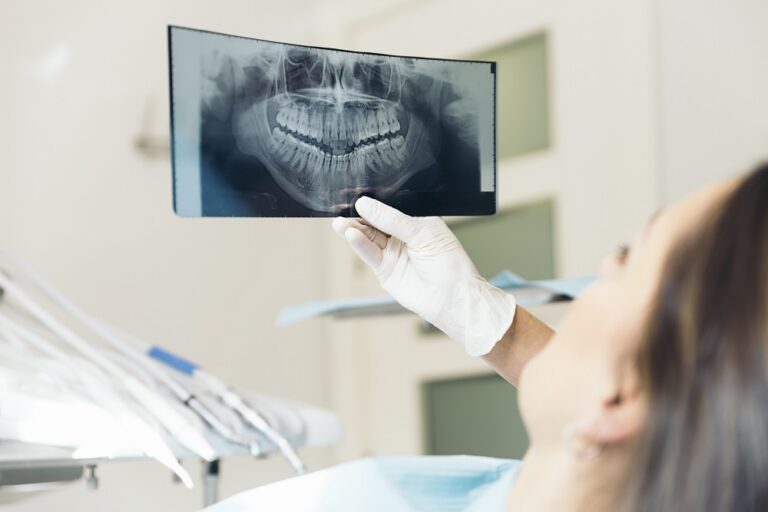
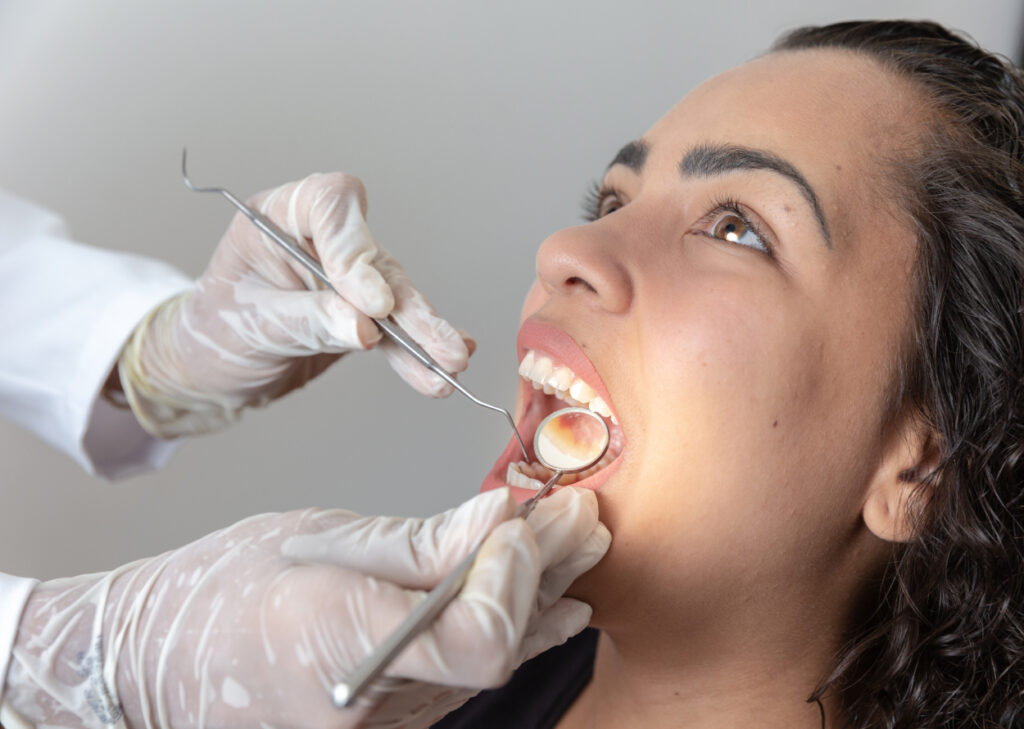
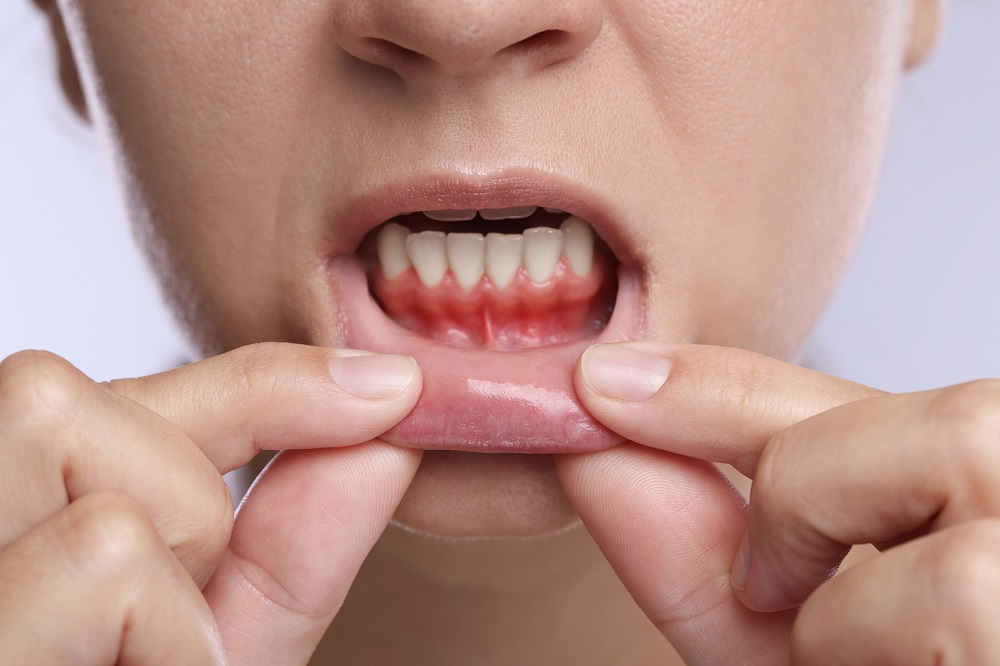
Orthodontic treatment changes more than tooth position. It changes the ecology of the mouth, the way plaque accumulates, the spots a toothbrush misses, and the way inflamed gums respond to pressure. That matters because moving teeth through unhealthy periodontal tissues is one of the fastest ways to turn a manageable gum problem into a more serious one.
In practice, patients with braces or clear aligners often arrive with a simple assumption: straighten the teeth first, then deal with the gums later. Clinically, that sequence is often backward. Periodontal treatment and orthodontic care need to be coordinated from the start, because the supporting structures of the teeth, the gingiva, periodontal ligament, and alveolar bone, are what make safe tooth movement possible in the first place.
The relationship works both ways. Orthodontic appliances can make plaque control harder and trigger gingivitis in patients who previously had healthy gums. At the same time, carefully planned orthodontics can improve periodontal health over time by correcting crowding, reducing traumatic bite forces, and making home care easier once treatment is complete. The key is timing, monitoring, and realistic maintenance.
Why orthodontic patients are at higher periodontal risk
Fixed braces create retention sites. Brackets, wires, elastics, hooks, and bands trap food and allow biofilm to mature in places that a regular brushing routine may not reach well. Even highly motivated patients can miss the gingival margins around brackets, especially on lower front teeth and upper molars. Within a few weeks, the change can be visible: puffier papillae, bleeding on brushing, and a filmy buildup around the hardware.
Aligners look cleaner at first glance, and in many cases they are easier on the periodontium than fixed appliances. But aligners are not automatically protective. Patients who wear them for 20 to 22 hours a day and sip coffee, juice, or sports drinks while trays are in place can create a sealed environment around teeth that favors plaque accumulation and acid exposure. I have also seen patients with aligners become less diligent about flossing because they think the trays are doing the “covering” work. Gum tissue is usually quick to prove otherwise.
Crowding adds another layer. When teeth overlap, plaque is harder to remove, inflamed contacts bleed more easily, and subgingival deposits can hide in areas that are difficult to inspect without instruments. If orthodontic treatment begins before active periodontal inflammation is under control, those tissues may respond poorly to movement. Mobility can increase. Recession can worsen, especially in areas with thin gum tissue or limited bone support. Pockets that might have been stabilized can become more active.
Age matters too. Teenagers with braces often experience plaque-induced gingivitis that resolves with better hygiene and professional care. Adults in orthodontic treatment are more likely to bring pre-existing periodontal issues into the case, whether diagnosed or not. It is not unusual for a patient in their thirties or forties to seek aligners for crowding and discover, during the periodontal evaluation, that there is mild to moderate attachment loss already present. That changes the conversation immediately.
The periodontal evaluation that should happen before tooth movement
Before braces are bonded or aligners are delivered, the periodontal baseline needs to be clear. That is not just a quick look at the gums. A proper assessment usually includes probing depths, bleeding scores, recession measurements, mobility, furcation involvement where relevant, plaque levels, and radiographs that show the height and pattern of bone support.
This baseline does two things. First, it tells the clinical team whether orthodontic forces can be used safely now or whether periodontal treatment needs to happen first. Second, it creates a reference point. During orthodontic treatment, small changes can be easy to overlook because attention tends to stay fixed on alignment, tracking, and bite correction. When there is a documented periodontal starting point, worsening inflammation or attachment concerns are easier to catch early.
A patient with generalized bleeding, swollen papillae, and heavy plaque may simply need initial periodontal treatment and a delay of several weeks before orthodontics begins. A patient with localized deep pockets, old bone loss, or recession in a thin biotype may need more than hygiene instruction. They may need scaling and root planing, site-specific monitoring, or, in selected cases, periodontal surgery before the orthodontic plan is finalized.
Orthodontists and periodontists tend to work best together when they are honest about limits. Not every crowding case should be solved with aggressive expansion or broad arch development, especially when the facial bone is thin. Not every recession defect needs surgery before treatment either. Judgment matters. Stable, noninflamed recession in one area may be monitored while alignment proceeds gently. Active inflammation with progressive attachment loss is a different matter.
When Periodontal Treatment should come first
There is a strong temptation, especially in cosmetic cases, to start alignment quickly and hope the gums improve along the way. That approach can work in a teenager with mild plaque-related gingivitis and excellent follow-through. It is much riskier in an adult with signs of periodontitis.
Periodontal treatment should usually come first when there is active disease, persistent bleeding, radiographic bone loss with inflamed tissues, increasing tooth mobility, or poor plaque control that has not responded to routine cleaning. Teeth move through bone, not wishful thinking. If the supporting tissues are inflamed, orthodontic force adds stress to a system that is already unstable.
Initial periodontal therapy often means thorough debridement, whether that is a prophylaxis in a gingivitis case or scaling and root planing where deeper deposits are present. Home care is reviewed in practical terms, not vague encouragement. Patients often need technique correction more than motivation. The difference between brushing the front of brackets and brushing into the gumline around them is enormous. For aligner patients, removing trays before every meal is obvious, but brushing before reinsertion is where many routines break down.
Sometimes the most important part of initial care is simply waiting long enough to re-evaluate. Inflamed gingiva https://www.showmelocal.com/profile.aspx?bid=23447913 can exaggerate pocket readings. Tissue that looked borderline at the first visit may tighten and normalize after several weeks of consistent plaque control and debridement. That re-evaluation helps determine whether orthodontic treatment can begin safely or whether the case needs a more extended periodontal phase.
Braces versus aligners from a periodontal perspective
Patients often ask which option is “better for the gums.” The honest answer is that aligners usually offer an advantage for hygiene, but not a guarantee. Fixed appliances create more mechanical plaque retention. Aligners can be removed for brushing and flossing, which is a major benefit. Yet outcomes still depend on compliance, tray hygiene, dietary habits, saliva, and the patient’s periodontal history.
Braces can be managed very successfully in patients with healthy gums and disciplined home care. The problem is that they are less forgiving. Miss a few weeks of effective plaque control and the tissue response is often obvious. The swollen, hyperplastic appearance around brackets is familiar to anyone who treats orthodontic patients regularly. In some cases, enlarged gingival tissue can make it harder to assess true pocketing until the inflammation resolves.
Aligners reduce some of those issues, but they introduce others. A patient who snacks frequently and slips trays back in without brushing may keep fermentable carbohydrates against the teeth and gingival margins for hours. Another common problem is inadequate cleaning of the trays themselves. Biofilm on the tray surface sits directly against teeth and gingiva. The mouth may look cleaner than a braces case, but the inflammatory burden can still build quietly.
For patients with a history of periodontitis, aligners are often easier to integrate into a periodontal maintenance plan because they allow more direct access for hygiene and easier periodontal monitoring. That said, some tooth movements are still more predictable or efficient with fixed appliances. When a periodontally compromised patient needs braces for biomechanical reasons, the treatment can still succeed, but recall intervals should be tighter and oral hygiene standards need to be exceptionally clear.
How periodontal treatment changes during orthodontic care
Once orthodontic treatment is underway, periodontal care becomes more active, not less. Routine six-month cleanings are often not enough for patients who are accumulating plaque around appliances or who have a history of periodontal disease. Many do better on a three-month periodontal maintenance schedule during active treatment. Some high-risk cases need even closer observation in selected phases.
At each maintenance visit, the goal is not merely stain removal. The team should be looking for trends: bleeding that was not there before, localized puffiness around bonded attachments, tissue overgrowth, deepening pockets, increased recession, or mobility changes. A small issue caught early may be reversible with improved hygiene, local debridement, and force adjustment. Left for months, the same issue can become attachment loss.
There is also a sequencing issue that patients rarely anticipate. Orthodontic appointments can temporarily increase tenderness, which makes some patients brush less effectively for several days after adjustments. That is precisely when plaque tends to build up around sore areas. I often tell patients that the 72 hours after an adjustment deserve extra attention, not less. Softer brushing pressure is fine. Skipping the gumline is not.
A useful home-care framework for orthodontic patients is simple:
- Brush at least twice daily, and focus specifically on the gingival margin around each bracket or tooth surface.
- Clean between teeth every day with floss, floss threaders, interdental brushes, or other tools recommended for the appliance.
- If using aligners, remove them for anything except water and clean both teeth and trays before reinserting.
- Report bleeding, swelling, bad taste, gum tenderness, or a loose tooth promptly rather than waiting for the next adjustment.
- Keep periodontal maintenance visits on schedule even when the teeth seem to be moving well.
That list looks basic on paper. In reality, consistency is what separates a routine orthodontic case from one that develops avoidable periodontal complications.
Common periodontal problems seen with braces and aligners
Gingivitis is by far the most common issue. The tissue becomes redder, fuller, and more likely to bleed with brushing or flossing. In many younger patients, this is reversible and linked directly to plaque retention around appliances. The answer is usually improved hygiene plus professional cleaning, not panic. But reversible inflammation should not be dismissed, because chronic inflammation can blur the signs of deeper disease in susceptible adults.
Gingival enlargement is another frequent finding, especially around brackets. Sometimes it is mostly inflammatory, driven by plaque and mouth breathing. Occasionally the tissue becomes so bulky that it obscures the bracket base or complicates finishing. If good hygiene and debridement do not resolve the overgrowth, minor periodontal reshaping may be considered after the inflammation is controlled. The timing matters. Reshaping inflamed tissue too early often leads to disappointing results.
Recession is more nuanced. Patients and even some clinicians tend to assume that orthodontics causes recession outright. The truth is more complicated. Recession risk depends on baseline tissue thickness, bone anatomy, tooth movement direction, brushing habits, bite trauma, and inflammation. Moving a tooth toward the edge of the bony housing in a thin phenotype can increase risk. So can vigorous horizontal brushing around newly aligned teeth that feel “more exposed” simply because crowding is gone. If recession starts to progress during treatment, the plan may need modification. Sometimes that means lighter forces, altered movement, or pausing to let the periodontium stabilize.
Periodontitis during orthodontic treatment is less common than simple gingivitis, but it is the condition with the highest stakes. Warning signs include persistent deep bleeding pockets, radiographic bone changes, increasing mobility, and inflammation that does not respond to routine measures. These patients need coordinated management. Continuing active tooth movement through uncontrolled periodontitis is rarely a wise choice.
Decalcification and caries are not periodontal problems, but they often travel with poor orthodontic hygiene, so they deserve mention. A mouth struggling with plaque around brackets is often struggling in more than one way. The tissues, enamel, and patient confidence can all take a hit at once.
Adults with previous bone loss need a different orthodontic strategy
Orthodontic treatment in periodontally compromised adults can be very successful, and in some cases life changing. Teeth can be aligned for better cleaning access, pathologic migration can be corrected, and bite forces can be distributed more favorably. But the mechanics must respect the reduced support.
Teeth with attachment loss do not tolerate the same assumptions as periodontally intact teeth. The center of resistance shifts, which affects how forces translate into movement. Lighter, more controlled forces are usually preferred. Anchorage planning becomes more important. Intrusion, root torque, and labial movement deserve close scrutiny when bone support is already reduced. The objective is not just to line teeth up, but to do so without pushing them into a less stable periodontal position.
One memorable pattern in adult cases is the patient with lower incisor crowding and mild to moderate bone loss who seeks aligners mainly for appearance. After proper periodontal treatment, alignment can indeed help by reducing overlap and making cleaning easier. But if the treatment plan expands the lower arch too aggressively or flares those incisors beyond their support, the esthetic gain can come with recession and instability. This is why interdisciplinary planning is not a luxury in these cases. It is the treatment.
Hygiene instruction that actually works in the real world
Patients do not need lectures. They need techniques that fit the appliance they have, the dexterity they possess, and the schedule they live with. One of the most effective changes in periodontal care for orthodontic patients is moving from generic advice to chairside demonstration. Show the brush angle. Show where the plaque collects. Show how an interdental brush should pass under the wire or between attachments. People improve faster when the instructions are visible and specific.
For braces, a power brush often helps patients who struggle with consistency, though it is not magic. Interdental brushes are excellent around brackets and under wires, especially for lower anterior segments where plaque mats tend to form. Water flossers can be helpful adjuncts, particularly for patients with limited dexterity, but they are not a full substitute for mechanical plaque disruption between contact areas.
For aligners, the weak link is usually routine, not access. Patients often do well for the first month, then gradually become casual about rinsing after snacks or reinserting trays without proper cleaning. The trays start to look cloudy, the tissue gets mildly inflamed, and the patient may not notice because nothing feels dramatic. This is where periodic reinforcement matters.
A few warning signs deserve immediate attention during orthodontic treatment:
- Bleeding that persists for more than a week despite careful brushing and interdental cleaning
- New gum recession, especially if a tooth starts to look longer over a short period
- Swelling, tenderness, or a bad taste localized to one area
- Tooth mobility that feels different from expected orthodontic pressure
- Trays or wires that repeatedly rub the same gingival area and create ulceration or plaque traps
None of these signs automatically means treatment is failing, but each deserves professional review rather than a wait-and-see approach.
The role of retention after active treatment
The periodontal story does not end when the braces come off or the last aligner is worn. Retention introduces its own maintenance demands. Fixed lingual retainers are useful and common, especially in the lower anterior region, but they are notorious plaque traps if not cleaned well. The exact area many adults wanted to straighten because it was crowded and hard to clean can become difficult again if the retainer is not maintained.
Removable retainers are easier from a hygiene standpoint, but only if patients clean them consistently and wear them as prescribed. A neglected retainer can harbor biofilm just like an aligner tray. If relapse begins because retention is poor, crowding can return and undermine some of the periodontal benefit gained from treatment.
This is also the stage where the final periodontal result becomes more obvious. Teeth that are aligned within stable tissues are easier to brush, easier to floss, and usually easier to monitor. Patients often notice that bleeding decreases not because the retainer did something special, but because the anatomy is now more accessible and the inflammation was controlled along the way.
What good interdisciplinary care looks like
The best outcomes come from clinicians who communicate early and specifically. “The gums look okay” is not enough. The orthodontist should know whether the patient has a history of periodontitis, where bone support is limited, whether recession is active or stable, and whether maintenance intervals should be shortened. The periodontist or general dentist should know what movements are planned and which areas may be at greater risk.
Patients benefit when the messaging is consistent. If one clinician says the bleeding is normal with braces and another says any bleeding is dangerous, the patient usually ends up confused and less compliant. Better to explain the nuance: mild gingivitis is common during orthodontics, but it is still a sign that plaque control needs attention, and in some patients it can signal something more significant.
There is also an emotional piece to this. Orthodontic patients are often motivated by esthetics, and periodontal treatment can feel like an unwelcome delay. Framing matters. When patients understand that healthy tooth movement depends on healthy support, they are usually more willing to accept scaling, maintenance visits, or a short postponement before appliances are placed. Most would rather wait a month than risk recession, mobility, or bone loss that compromises the final result.
Straight teeth are only part of a successful outcome. Stable gums, preserved bone, and a mouth the patient can actually keep clean are what make that result last. Periodontal treatment is not separate from orthodontic care for patients with braces or aligners. In many cases, it is the foundation that makes orthodontic treatment worth doing at all.
Avra Dental
Address: 1708 S Victoria Ave B, Ventura, CA 93003
Phone number: (805) 941-1001
FAQ About Periodontal Treatment
Can a dentist get rid of periodontal disease?
A dentist or gum specialist (periodontist) cannot fully cure or reverse advanced periodontal disease (periodontitis), but they can successfully stop its progression and manage the infection.
Is periodontitis very serious?
Yes, periodontitis is a very serious, advanced form of gum disease that destroys the bone and tissues supporting your teeth.
How is stage 2 periodontal disease treated?
Stage 2 periodontal disease (early to moderate periodontitis) is primarily treated with non-surgical deep cleaning procedures like scaling and root planing to remove bacteria and tartar below the gumline.
❧