October 30, 2026
Periodontal Treatment for Long-Standing Gum Disease Problems
By @juliusvban445
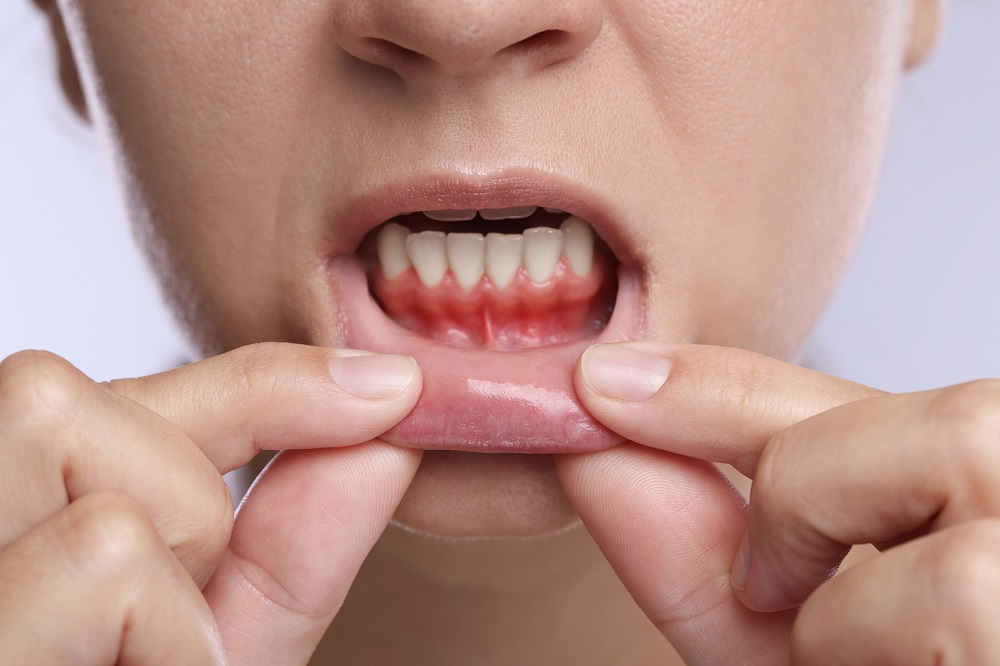
Long-standing gum disease rarely announces itself with drama. More often, it settles in quietly. A little bleeding during brushing. A bad taste that keeps coming back. Teeth that feel slightly different when you bite, though you cannot quite say why. Months turn into years, and by the time many patients seek help, the problem is no longer simple gingivitis. It has moved deeper, into the supporting structures that hold teeth in place.
That is where Periodontal Treatment becomes more than a cleaning. It becomes a structured effort to control infection, stop tissue breakdown, reduce pocket depths, and preserve teeth that may already be under strain.
In practice, treating long-standing gum disease is rarely about one dramatic appointment. It is usually a sequence of careful decisions. The right treatment depends on how much bone has been lost, whether the disease is still active, how deep the gum pockets are, how well plaque can be controlled at home, and whether the patient smokes, grinds their teeth, or has medical conditions such as diabetes. Some mouths stabilize beautifully with non-surgical therapy. Others need surgery to reach areas that instruments simply cannot clean well enough from above the gumline.
The important thing is this: chronic periodontitis is often manageable, even when it has been present for years. But it demands realism, consistency, and good clinical judgment.
What long-standing gum disease actually does
Healthy gums fit snugly around the teeth. Under the surface, bone and connective tissue anchor the roots. With chronic gum disease, bacterial biofilm triggers inflammation that the body struggles to contain. Over time, the attachment between tooth and gum weakens. Pockets form. Bone starts to resorb. The tooth may still look normal enough in the mirror, yet the foundation has already changed.
That difference between what is visible and what is happening underneath is one reason people underestimate the problem. Pain is not a reliable guide. Many advanced periodontal cases are surprisingly painless until mobility, abscesses, or chewing difficulty appear.
When I think of long-standing cases, I think less in terms of stained teeth and more in terms of architecture. Once the support system has been eroded, treatment has to work around altered anatomy. Roots may be exposed and rough with calculus. Furcation areas, the spaces between roots on molars, become difficult to clean. Gum pockets can harbor bacteria beyond the reach of ordinary brushing. Even after excellent therapy, some of those challenging shapes remain, which is why maintenance matters so much.
The clues patients often miss
The classic signs are common, but they are often normalized. A person may assume bleeding gums are caused by brushing too hard, or that bad breath is a stomach issue, or that slight movement in a lower front tooth is simply part of aging. Sometimes they have had repeated “deep cleanings” without understanding that the underlying disease is chronic and requires lifelong surveillance.
A short checklist can help clarify when chronic gum disease may already be established:
- Bleeding during brushing or flossing that keeps recurring
- Gums that look puffy, tender, or have begun to recede
- Persistent bad breath or a sour taste in the mouth
- Teeth that feel loose, spread apart, or bite differently
- Repeated gum boils, swelling, or localized tenderness
None of these signs confirm severity on their own. I have seen patients with dramatic bleeding but limited bone loss, and others with advanced destruction who reported almost no symptoms. The diagnosis always rests on a proper periodontal examination, not on appearances alone.
Diagnosis is more precise than many people realize
A thorough periodontal evaluation is not just a quick look around. It includes probing around each tooth to measure pocket depths, checking for bleeding on probing, assessing mobility, looking for recession, and evaluating plaque retention factors such as overhanging restorations or crowded areas. Dental radiographs help reveal the extent and pattern of bone loss. In more complex cases, full-mouth charting is essential because the disease is often uneven. One quadrant may be relatively stable while another has deep defects around molars.
Context matters. A 35-year-old with generalized bone loss raises different concerns than a 70-year-old with slow progression over decades. A smoker can show less obvious redness and bleeding despite significant disease. A patient with poorly controlled diabetes may heal more slowly and experience more inflammation. Someone who clenches heavily may show mobility that reflects both periodontal breakdown and occlusal trauma.
This is where experience counts. The numbers matter, but patterns matter too. A single 6 mm pocket on a back molar is not the same clinical picture as generalized 6 to 8 mm pockets with bleeding throughout the mouth. One may be managed conservatively with careful root debridement and follow-up. The other may require a far broader treatment plan and frank discussion about prognosis.
What Periodontal Treatment usually involves first
For long-standing gum disease, the first phase is almost always non-surgical. The aim is to reduce the bacterial burden below the gumline and create conditions the tissues can respond to. Patients often call this a “deep cleaning,” but professionally the process is more accurately described as scaling and root planing, sometimes combined with local antimicrobials or adjunctive therapies depending on the case.
Scaling removes plaque and hardened deposits from root surfaces. Root planing smooths contaminated root areas so the tissue has a better chance to reattach or tighten. In real clinical terms, this is not a cosmetic polish. It is detailed subgingival instrumentation, usually done with local anesthesia in sections of the mouth. If pockets are deep and calculus is burnished under the gums, treatment takes time and precision.
A point that surprises many patients is that the gums may shrink somewhat after effective therapy. That can sound alarming until it is explained properly. Inflamed tissue is swollen. Once infection is reduced, the swelling resolves, and the gums may sit lower and tighter. Teeth can look longer, and cold sensitivity may increase for a while. Oddly enough, this often signals improvement rather than damage from treatment.
The early weeks after scaling and root planing are revealing. Some sites respond very well. Bleeding drops, pocket depths reduce, and the tissues firm up. Other areas remain problematic, especially deep pockets around molars, root grooves, or furcations. Re-evaluation after healing is a critical step because it determines whether non-surgical care has done enough or whether surgery is needed.
The part patients control at home
No periodontal plan succeeds in a mouth that remains heavily plaque-laden between appointments. That is not a moral judgment, just a biological reality. Professional instrumentation can disrupt deeply established biofilm, but it cannot protect the tissues for the next three or four months. Daily plaque control has to carry the result.
Home care for periodontal patients is usually more individualized than the standard advice given to healthy teenagers. Some people do best with an oscillating electric brush because it improves consistency and reduces over-scrubbing. Others need interdental brushes rather than floss because recession has opened spaces between teeth. Patients with bridgework, implants, or crowded lower incisors may need very specific tools and technique coaching.
This is also where honesty matters. If someone has never flossed regularly, handing them a long lecture often changes nothing. A better approach is practical and specific. Start with one habit they will actually keep. For example, using interdental brushes every evening around the lower front teeth and upper molars may do more good than a perfect plan abandoned after four days.
When non-surgical therapy is enough, and when it is not
Some long-standing cases stabilize with meticulous non-surgical care and regular maintenance. This is especially true when bone loss is moderate, home care improves substantially, and residual pockets are shallow enough to be cleaned predictably. Stability, not perfection, is often the realistic goal.
Still, not every deep pocket can be managed from above the gumline. If 6 to 8 mm pockets keep bleeding after good initial therapy, if furcation areas remain infected, or if radiographs show vertical defects where regeneration may be possible, surgery enters the conversation.
That conversation should be balanced. Periodontal surgery is not a punishment for “bad gums.” It is a tool. The purpose may be access, reduction of pocket depth, reshaping tissue architecture, or regenerating lost support in carefully selected sites. Some patients need it to preserve strategic teeth that would otherwise continue to deteriorate. Others, especially if the prognosis is poor and the tooth is difficult to maintain, may be better served by extraction and a prosthetic plan. Treatment decisions have to weigh longevity, cost, complexity, and the patient’s willingness to maintain the result.
Surgical options and what they are meant to achieve
Surgical Periodontal Treatment covers several different procedures. They are not interchangeable, and they are not appropriate for every patient.
Flap surgery is one of the most common approaches in advanced cases. The gum tissue is gently reflected so the roots and bony defects can be seen directly. This allows more complete removal of calculus and diseased tissue, especially in areas where blind instrumentation is limited. The tissue is then repositioned to reduce pockets and improve cleanability.
Regenerative procedures aim for something more ambitious. In certain vertical bony defects, graft materials, membranes, or biologic agents may help the body rebuild some lost attachment. These techniques can work well in the right anatomy, but they are not magic. They depend on defect shape, patient health, smoking status, plaque control, and surgical execution. A narrow, contained defect may have meaningful regenerative potential. A broad, shallow defect often does not.
Crown lengthening may be used when gum and bone architecture need adjustment for restorative reasons, though that is a somewhat different conversation. Soft tissue grafting sometimes enters the plan too, particularly when recession becomes pronounced and sensitivity or root caries risk increases after inflammation has settled.
Patients often ask whether surgery is painful. With modern local anesthesia and thoughtful postoperative care, discomfort is usually manageable. The bigger issue is healing time, temporary dietary restrictions, and the discipline needed afterward. A technically excellent surgery can fail if the site is traumatized repeatedly by poor cleaning or neglected entirely out of fear.
Tooth loss is not the only risk
One of the more frustrating myths about gum disease is that if a tooth is still present and not hurting, things cannot be too bad. Yet untreated periodontitis affects function long before teeth are lost. Teeth can drift, creating spaces that trap more plaque. Front teeth may flare. Bite forces may shift onto weakened teeth. Food impaction becomes a daily nuisance. Restorations may fail sooner because the supporting tissues are unstable.
There is also the practical burden of recurrent emergencies. A chronically diseased mouth is more likely to develop localized flare-ups, tenderness while chewing, and abscesses that seem to appear out of nowhere. From the patient’s perspective, that often feels random. Clinically, it usually reflects a chronic problem that was simmering the whole time.
Why maintenance is the real long game
Once a patient has had periodontitis, they remain susceptible even after successful treatment. That is why periodontal maintenance is not the same as a routine cleaning. Recall intervals are often every three to four months, though the right schedule depends on risk and stability. At those visits, clinicians reassess pockets, bleeding, plaque control, mobility, and any sites that are beginning to relapse.
This is where many long-term successes are won. I have seen patients keep compromised teeth functioning for many years because they never drifted from maintenance. I have also seen beautifully treated cases unravel after a year or two of missed appointments, resumed smoking, and lax home care. Gum disease is not always dramatic in relapse either. A few extra millimeters of pocketing here, some inflammation there, and by the time the changes become obvious, a strategic tooth may have crossed from restorable to questionable.
A practical maintenance routine usually includes:
- Professional periodontal maintenance at intervals based on risk, often three to four months
- Review and refinement of home cleaning tools as the mouth changes over time
- Monitoring of pockets, bleeding, recession, mobility, and radiographic bone levels
- Attention to systemic factors such as diabetes control and tobacco use
- Early intervention when a specific site begins to break down again
That final point deserves emphasis. Periodontal relapse is easier to manage when caught early. A single inflamed 5 mm site can often be addressed conservatively. Generalized deepening with renewed bleeding across the mouth is far harder to reverse.
The role of smoking, diabetes, and other complicating factors
Some patients do everything “right” and still struggle because the biology is stacked against them. Smoking remains one of the strongest negative influences on periodontal healing and long-term stability. It alters blood flow, dampens visible inflammatory signs, and worsens treatment response. Heavy smokers can have deceptively pale gums and surprisingly advanced bone loss.
Diabetes also matters, especially when control is poor. There is a two-way relationship here. Periodontal inflammation can make glycemic control harder, and poor glycemic control can worsen periodontal breakdown and impair healing. This does not mean treatment should be delayed until perfection is achieved. It means communication and coordinated care become more important.
Dry mouth, certain medications, stress-related clenching, and limited dexterity can also affect outcomes. So can restorative design. A crown margin placed where the patient cannot clean it well may become a constant plaque trap. Orthodontic relapse can create crowding that turns simple brushing into a daily struggle. Good periodontal care often depends on seeing the whole picture rather than treating the gums in isolation.
What happens when some teeth cannot be saved
Not every tooth with advanced periodontal loss should be retained at all costs. This can be a difficult discussion, especially when the tooth is painless and emotionally important to the patient. But there are cases where extraction is the sounder choice, particularly when mobility is severe, furcation involvement is extensive, recurrent infection persists, or the remaining support is too compromised for reliable function.
The decision should never be casual. Keeping a hopeless tooth can jeopardize neighboring teeth, distort the bite, and drain time and money that https://troyhsnq092.theburnward.com/how-periodontal-treatment-improves-more-than-just-your-gums would be better spent on a more stable plan. On the other hand, removing a salvageable tooth too quickly is also a mistake. The best periodontal treatment planning respects both biology and value. Sometimes the right answer is to fight for a strategic molar. Sometimes it is to preserve the surrounding bone and move toward an implant, bridge, or removable solution with clear eyes.
Patients often appreciate honesty here. A guarded prognosis is not failure. It is responsible care.
What recovery and expectations look like in real life
People usually want to know two things: how long treatment takes, and whether the gums will go back to “normal.” The truth is nuanced. Initial therapy may be completed over a few visits in a month or so, followed by re-evaluation after several weeks of healing. Surgical phases, if needed, extend that timeline. Full stabilization can take months, especially in complex cases.
As for “normal,” the goal is health and manageability, not a reset button. Gums that have lost attachment do not simply become pristine teenage gums again. Recession may remain. Black triangles between teeth may become more visible once swollen tissue shrinks. Some teeth may always require extra cleaning effort. But healthy, stable periodontal tissues can still be comfortable, functional, and maintainable for years.
That distinction is worth understanding because disappointment often comes from the wrong benchmark. If the expectation is perfect appearance with no maintenance burden, chronic periodontitis treatment may feel underwhelming. If the expectation is arresting disease, preserving function, reducing infection, and extending the life of the dentition, the value becomes clear.
Choosing the right clinician and asking the right questions
Long-standing gum disease deserves more than a rushed diagnosis and a generic cleaning plan. Whether care is provided by a general dentist, a periodontist, or both working together, the process should feel methodical. Measurements should be documented. Radiographs should be reviewed with you. Prognosis should be discussed tooth by tooth when necessary. You should understand why a site is being monitored, treated non-surgically, or referred for surgery.
It is reasonable to ask what the pocket depths are, whether bone loss is generalized or localized, what factors are driving the disease in your case, and how success will be measured. It is also reasonable to ask what happens if the initial treatment does not achieve the desired result. Chronic periodontal disease is not managed well by vague reassurance.
A steady approach works better than a dramatic one
There is a natural temptation to look for a single fix, the one procedure or product that will finally solve years of gum trouble. Chronic periodontitis usually does not work that way. Successful Periodontal Treatment is deliberate rather than dramatic. It starts with accurate diagnosis, continues through thorough debridement, escalates to surgery when indicated, and depends heavily on maintenance once the active phase is over.
Patients who do best are not always the ones who start with the healthiest mouths. Often, they are the ones who understand the problem, show up consistently, and make realistic daily changes. That steadiness matters more than perfection. In long-standing gum disease, saving teeth is often less about one heroic intervention and more about disciplined care, repeated over time, with good judgment guiding every step.
Avra Dental
Address: 1708 S Victoria Ave B, Ventura, CA 93003
Phone number: (805) 941-1001
FAQ About Periodontal Treatment
Can a dentist get rid of periodontal disease?
A dentist or gum specialist (periodontist) cannot fully cure or reverse advanced periodontal disease (periodontitis), but they can successfully stop its progression and manage the infection.
Is periodontitis very serious?
Yes, periodontitis is a very serious, advanced form of gum disease that destroys the bone and tissues supporting your teeth.
How is stage 2 periodontal disease treated?
Stage 2 periodontal disease (early to moderate periodontitis) is primarily treated with non-surgical deep cleaning procedures like scaling and root planing to remove bacteria and tartar below the gumline.
❧