October 30, 2026
A Patient’s Checklist Before Starting Periodontal Treatment
By @juliusvban445
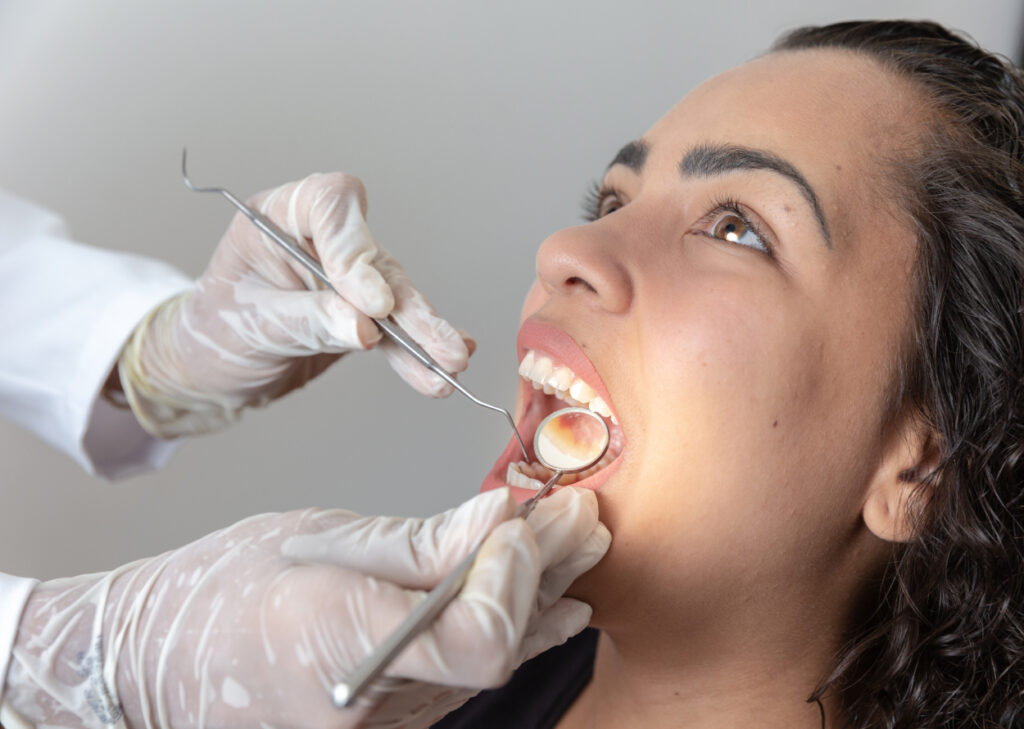
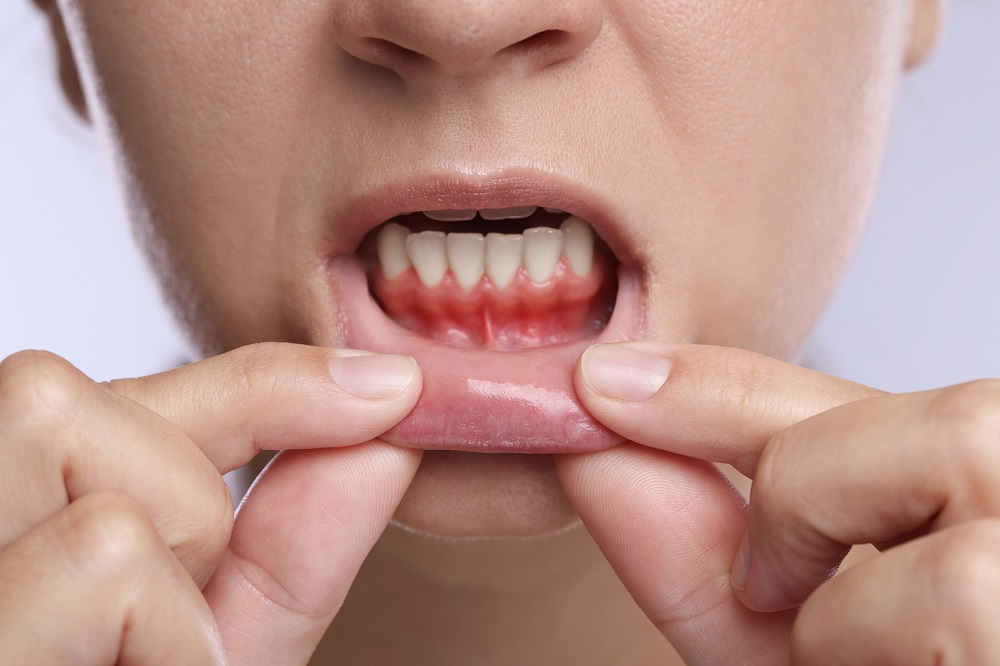

Healthy gums rarely get much attention until they start to hurt, bleed, or recede. That is usually when patients hear the phrase Periodontal Treatment for the first time, often in the middle of a dental visit that suddenly feels more serious than expected. The conversation may include pocket depths, bone loss, scaling and root planing, maintenance intervals, and possibly surgery. It is a lot to process, especially if you walked in expecting a routine cleaning.
The most useful thing a patient can do before treatment starts is slow the moment down. Periodontal care works best when it is planned, understood, and matched to your actual needs. Gum disease is common, but the path forward is not identical for every person. A mild case of gingival inflammation is very different from advanced periodontitis with mobility, recession, and areas that trap plaque below the gumline. Good decisions come from asking practical questions, understanding your baseline, and getting clear on what treatment can and cannot do.
This checklist is not about delaying necessary care. It is about helping you begin treatment with your eyes open, which often leads to better outcomes and fewer surprises.
Know what problem is being treated
Before agreeing to any procedure, make sure you understand the diagnosis in plain language. Many patients are told they have “gum disease” without being given enough detail to judge severity. That matters, because treatment recommendations depend on whether the issue is reversible gingivitis, early periodontitis, or more established disease with attachment loss and bone changes.
A useful dental consultation should explain what the clinician sees and how they know it. That usually includes periodontal probing measurements, bleeding on probing, recession, plaque and tartar accumulation, tooth mobility, furcation involvement on multi-rooted teeth, and radiographs that show bone support. If your provider uses terms such as four millimeter pockets, six millimeter pockets, or generalized bone loss, ask what those findings mean for your own mouth, not just in theory.
Patients often assume gum treatment is mainly about cleaning better. Home care is essential, but active periodontal disease is not simply a brushing problem. Once deposits and bacterial biofilm sit under the gumline, and once pocketing makes those areas hard to reach, professional treatment becomes more than cosmetic maintenance. At the same time, not every recommendation for deep cleaning means your case is advanced. Some patients have localized problem areas around old crowns, crowded teeth, or lower front teeth where calculus forms quickly.
If the explanation feels vague, ask to see the charting and x-rays. Most dentists and periodontists are happy to walk through them. Seeing your own mouth on a screen can make the recommendation far easier to understand.
Bring your medical history into the conversation
Periodontal care is dentistry, but it is not disconnected from the rest of your health. Gum tissues respond to systemic conditions, and healing depends on factors well outside the mouth. A thorough review of your medical history is not a formality. It can shape both safety and outcomes.
Diabetes is one of the clearest examples. Poor blood sugar control often makes gum inflammation harder to manage, and periodontitis can in turn complicate glucose control. Smokers typically heal more slowly, show less obvious bleeding despite active disease, and face a higher risk of recurrence. Patients taking blood thinners may need modified instructions for procedures that involve more bleeding. Some medications cause dry mouth or gum enlargement, which changes the treatment landscape. Pregnancy, autoimmune conditions, osteoporosis therapy, and a history of head and neck radiation can also affect planning.
If you have had joint replacement, heart valve issues, or a complex cardiac history, mention that too. Current recommendations on antibiotic premedication are more selective than many people expect, and your dental team should base advice on up-to-date medical guidance and your physician’s history. It helps to bring a medication list rather than trying to remember names from memory. A missed drug detail is surprisingly common.
One detail patients often leave out is clenching or https://danteplgh064.cavandoragh.org/how-to-spot-gum-problems-before-you-need-periodontal-treatment grinding. It is easy to think of bruxism as a tooth issue rather than a gum issue, but excessive force can worsen mobility and affect teeth that already have reduced bone support. If your teeth feel tender when you wake up, or if you have broken fillings or a nightguard in a drawer somewhere, bring it up.
Clarify the goal of treatment
Not all periodontal therapy aims to do the same thing. For some patients, the goal is to stop active disease and stabilize the foundation of the teeth. For others, it is to reduce pocket depths enough to make daily cleaning realistic. In advanced cases, the immediate goal may be to control infection before deciding whether certain teeth can be saved. If surgery is discussed, the objective could be access for thorough debridement, regenerative procedures in selected defects, or reshaping tissue to create a more maintainable gum contour.
This distinction matters because expectations drive satisfaction. A person with visible gum recession may hope treatment will “grow the gums back,” when in many cases the first phase of treatment is focused on infection control, not cosmetic root coverage. Another patient may expect a one-time fix and be disappointed to learn that periodontal maintenance every three or four months is part of long-term disease control.
Ask directly what success would look like at the next re-evaluation. Does the team expect less bleeding, shallower pockets, firmer tissue tone, or improved comfort while chewing? If a tooth is considered questionable, what signs would support keeping it, and what signs would shift the plan toward extraction? Those are practical benchmarks. They make the process less abstract and help you judge progress after treatment.
Understand the type of treatment being proposed
Many patients hear “deep cleaning” and assume it is simply a longer version of a standard cleaning. It is not. Scaling and root planing is a non-surgical periodontal procedure intended to remove deposits and bacterial toxins from below the gumline and smooth root surfaces where plaque tends to cling. It is usually recommended when pocketing and subgingival buildup go beyond what a routine prophylaxis is meant to address.
That said, treatment plans vary. Some offices divide care by quadrants over multiple appointments with local anesthetic. Others may combine visits based on severity, comfort, and scheduling needs. Adjunctive options, such as localized antimicrobials, laser-assisted protocols, or irrigation, may be discussed depending on the practice style and the case. There are situations where referral to a periodontist makes sense at the start, particularly for advanced bone loss, deep isolated defects, furcation involvement, significant recession concerns, or when previous therapy has not held up.
Patients are often reluctant to ask a basic question: “Why this treatment and not another one?” It is a fair question. Sometimes the answer is straightforward. You may need non-surgical care first, because it is the accepted starting point for many cases and allows the team to see how much improvement occurs before considering surgery. In other situations, the anatomy of a defect or the depth of a persistent pocket may make surgery more predictable than repeated non-surgical efforts. There is no shame in asking your clinician to compare options in simple terms.
Review the likely sequence, not just the first appointment
Periodontal care rarely ends with the first procedure. Patients do better when they understand the likely timeline from the beginning. That includes the active treatment visit or visits, the healing period, the re-evaluation, and the maintenance phase afterward.
A common scenario goes like this: initial exam and charting, scaling and root planing over one or more appointments, a healing period of several weeks, then a periodontal re-evaluation where probing depths, bleeding, and tissue response are checked again. At that stage, some areas may be stable and easy to maintain, while others may still need additional care. This is also when the long-term recall interval is often set. Many patients with a history of periodontitis do not return to a standard six-month cleaning schedule. They need periodontal maintenance more often, frequently every three or four months, because the disease can recur quietly.
That maintenance piece is where many treatment plans succeed or fail. I have seen patients invest in excellent therapy, then drift back into sporadic routine cleanings and home care that is “good enough.” Two or three years later, they are frustrated to hear that pockets have deepened again. The disappointment is understandable, but gum disease behaves more like a chronic condition than a one-time event. Stabilization requires follow-through.
Use a practical checklist before saying yes
The most helpful pre-treatment questions are not dramatic. They are the ordinary details that affect safety, comfort, cost, and follow-through. Patients who ask them tend to feel calmer and more prepared.
- Ask for your diagnosis in plain language, including how severe it is and which teeth or areas are involved.
- Ask what procedure is being recommended now, what alternatives exist, and what the next step would be if this first step does not solve the problem.
- Ask about anesthesia, expected soreness, bleeding, sensitivity, and how many days of modified eating or activity you should expect.
- Ask what your out-of-pocket cost is, what insurance is likely to cover, and whether periodontal maintenance will be billed differently from routine cleanings later.
- Ask what you need to do at home after treatment, and whether your current brushing, flossing, or interdental cleaning technique needs to change.
That list may sound simple, but it prevents the most common misunderstandings. Patients often leave the chair remembering only the words “deep cleaning” and “infection,” when they also need to know whether they will be numb, whether root sensitivity is likely, and whether missing follow-up will undermine the whole plan.
Prepare for the financial side without embarrassment
Cost is part of healthcare, and periodontal care can become expensive if disease is advanced or if surgery, grafting, or multiple maintenance visits are needed over time. It is better to address finances directly than to postpone treatment from discomfort or uncertainty.
Insurance terminology can be misleading. A plan may cover a routine cleaning differently from scaling and root planing, periodontal maintenance, or surgery. Frequency limits, waiting periods, annual maximums, and documentation requirements can all affect what you owe. Even patients with solid dental benefits are sometimes surprised to learn that maintenance visits after active treatment are not processed as standard cleanings. That difference matters.
Ask the office for a written estimate and for clarity about what could change that estimate. For example, if the treatment plan includes possible localized antibiotic placement or later surgical referral depending on re-evaluation findings, that should be discussed upfront. If staged treatment is an option because of budget limits, ask whether delaying one area is clinically reasonable or whether timing is important. In some mild or localized cases, a phased approach is workable. In more active disease, delay can allow progression that becomes harder and more costly to manage later.
No experienced clinician should make a patient feel ashamed for discussing cost. If finances are a barrier, say so. Many practices can explain payment arrangements, prioritize urgent areas, or coordinate care in a realistic sequence.
Consider comfort, time off, and day-to-day logistics
Periodontal treatment is generally very manageable, but it still affects your schedule. If local anesthetic is planned, you may leave numb for a few hours. If several quadrants are treated, chewing may be awkward until tenderness settles. Some patients return to work the same day without difficulty. Others, especially those with anxiety or multiple areas treated at once, prefer to keep the rest of the day light.
Sensitivity is common, especially to cold, after root surfaces are cleaned and inflamed tissue begins to tighten. This does not happen to everyone, and when it does, it often improves over days to a few weeks, but it is worth planning for. Soft foods, lukewarm drinks, and a desensitizing toothpaste can help. If you have a high-public-contact job and worry about speech, numbness, or appearance immediately after treatment, ask how the appointment is usually experienced by patients in similar situations.
The practical details matter more than people think. A teacher with back-to-back classes may need different scheduling than a retiree with a flexible calendar. A parent with small children may want treatment early in the day before the school pickup scramble. A patient with dental anxiety may do better with shorter visits rather than an aggressive all-at-once schedule. These are not minor preferences. They shape whether you complete care.
Be honest about your home care habits
This can be the hardest part of the conversation because people often feel judged about brushing and flossing. A good periodontal team is not looking for perfect behavior. They are looking for an honest starting point. If you floss only occasionally, say so. If your gums bleed and you avoid those areas because it worries you, say that too. If dexterity, arthritis, gagging, crowded teeth, or a fixed bridge makes cleaning difficult, those are useful facts.
The best home care advice is specific. “Brush and floss more” is not enough for a patient with posterior furcations, lower crowding, orthodontic retainers, or recession around exposed roots. Some people need interdental brushes rather than floss in certain spaces. Others benefit from a power toothbrush, a water flosser, prescription-strength fluoride, or a nightguard because force is part of the problem. The right routine is not the fanciest one. It is the one you can perform consistently and correctly.
I have met many patients who thought they were failing because they could not use string floss well between every tooth. Once shown how to use an interdental brush in larger embrasures, their plaque control improved noticeably. The lesson is simple: technique beats guilt. If something is not working, that is information, not a moral flaw.
Ask about teeth with an uncertain prognosis
Not every tooth can or should be saved indefinitely, and this is where experience and judgment become especially important. A heavily restored tooth with deep bone loss, furcation involvement, mobility, and a crack is a different proposition from a natural tooth with localized deep pocketing that otherwise has good structure and strategic value. Periodontal treatment can sometimes preserve teeth for many years, but the prognosis depends on anatomy, hygiene access, bite forces, smoking status, medical background, and whether the tooth is essential to a larger restorative plan.
If a dentist or periodontist says a tooth is “guarded” or “hopeless,” ask what features drive that opinion. Is it bone support, mobility, root anatomy, a fracture risk, persistent infection, or poor access for cleaning? If extraction is being discussed, ask what replacement options would look like later, whether with an implant, bridge, partial denture, or, in some cases, no replacement at all. Saving a tooth is often desirable, but not at any cost or under any circumstances.
This is also a setting where second opinions can be reasonable, especially when proposed treatment is extensive or includes surgery and extractions. A thoughtful second opinion should clarify the plan, not simply tell you what you want to hear. If two experienced clinicians disagree, the difference often lies in prognosis philosophy, restorative strategy, or tolerance for risk at the margins. That nuance can be worth exploring.
Know which symptoms should prompt a call after treatment
Most periodontal procedures heal uneventfully, but patients should know what is normal and what is not. Mild soreness, light bleeding, sensitivity, and temporary tenderness while brushing are common. Severe swelling, persistent heavy bleeding, worsening pain after the first day or two, fever, or a feeling that something is clearly off deserve a call to the office.
It also helps to know when improvement should become noticeable. Bleeding while brushing may start to decrease fairly quickly once inflamed tissue is cleaned and plaque control improves. Pocket depth changes take longer and are measured professionally at follow-up, not guessed at in the mirror. Recession may appear more noticeable after inflammation resolves because swollen tissue is no longer puffing up the area. That can surprise patients if nobody warns them in advance.
A short, clear set of post-treatment instructions can spare a lot of unnecessary worry. If you do not receive one, ask for it.
Questions worth settling before you leave the consultation
A few final questions can sharpen the treatment picture and help you commit to the plan with confidence.
- Who will perform the treatment, your general dentist, a hygienist under supervision, or a periodontist, and why is that the best fit for your case?
- When will your gums be re-evaluated, and what specific findings will determine whether treatment is working?
- How often will you need periodontal maintenance afterward, and what happens if you slip back to less frequent cleanings?
- Are there teeth that may still need surgery, splinting, extraction, or restorative work after the inflammation is controlled?
- What home care tools do you want me to use starting now, and can you show me exactly how to use them?
Those answers turn a vague recommendation into a working plan. They also tell you a lot about the quality of the communication in the practice. Good periodontal care is technical, but it is also collaborative. You should feel informed, not rushed.
The best starting point is clarity
Periodontal disease can feel intimidating because it touches on permanence. People hear words like bone loss and immediately worry that damage is irreversible or that tooth loss is inevitable. Sometimes there is permanent change, and no ethical clinician should minimize that. But many patients achieve stable, comfortable function for years once disease is identified, treated, and maintained properly.
The strongest predictor of a smooth experience is not memorizing dental terminology. It is entering treatment with clear expectations, honest medical and home care information, and a plan you understand well enough to follow. Ask to see the evidence. Ask what success looks like. Ask what your part will be after the procedure is over.
When a patient understands why Periodontal Treatment is being recommended and what comes next, the process becomes less alarming and much more manageable. That shift matters. Gum health is rarely restored by one appointment alone. It improves when professional care and daily habits finally start working in the same direction.
Avra Dental
Address: 1708 S Victoria Ave B, Ventura, CA 93003
Phone number: (805) 941-1001
FAQ About Periodontal Treatment
Can a dentist get rid of periodontal disease?
A dentist or gum specialist (periodontist) cannot fully cure or reverse advanced periodontal disease (periodontitis), but they can successfully stop its progression and manage the infection.
Is periodontitis very serious?
Yes, periodontitis is a very serious, advanced form of gum disease that destroys the bone and tissues supporting your teeth.
How is stage 2 periodontal disease treated?
Stage 2 periodontal disease (early to moderate periodontitis) is primarily treated with non-surgical deep cleaning procedures like scaling and root planing to remove bacteria and tartar below the gumline.
❧